The Language of the People of Ghârdyran – Caelvian
“The Language of Fire and Earth”
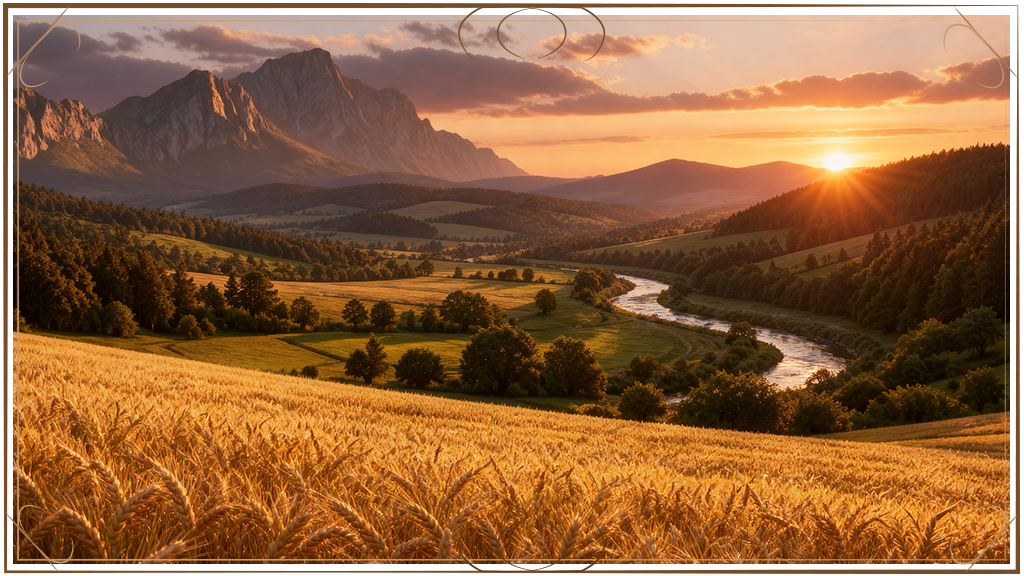
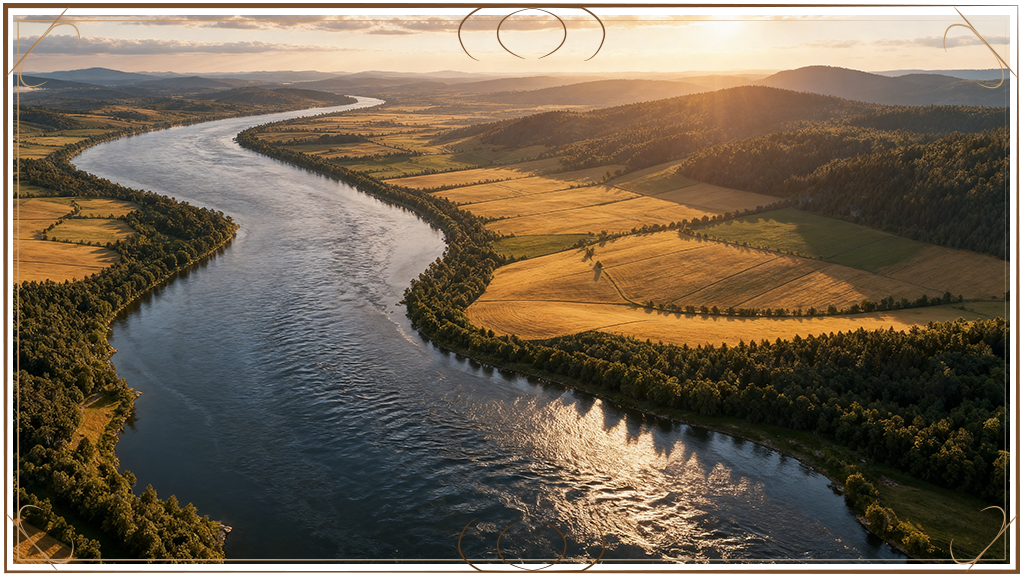
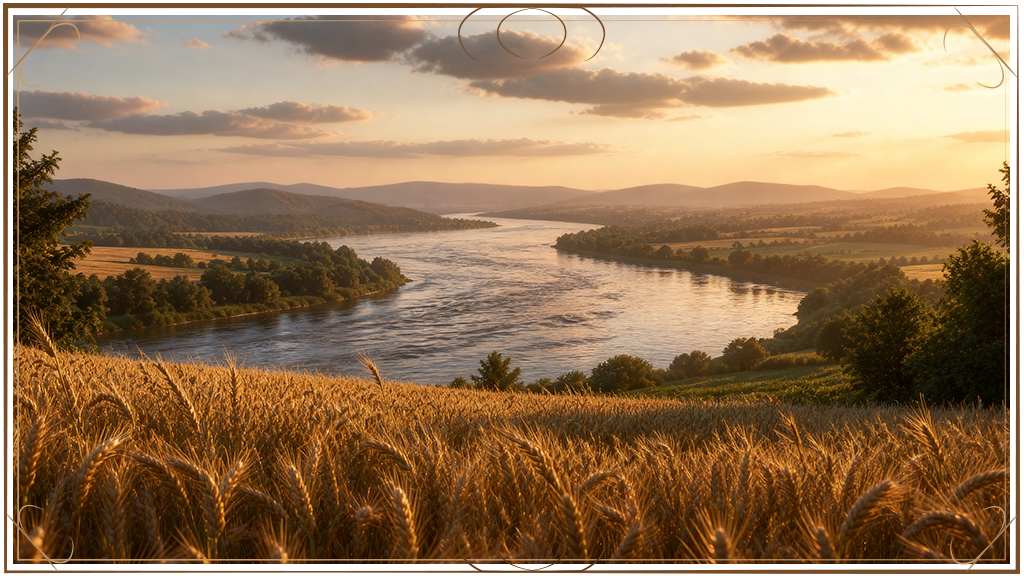
Caelvian is more than a mere collection of words – it is an expression of passion, strength and the untamed nature of Ghârdyran. This language is shaped by a profound connection to the elements that define the land: the burning sun, the fertile earth, the unstoppable Candrian River and the whispering magic that flows through everything.
While Liréth dominates in the capital city of Fandurin – the center of magic – as a neutral and diplomatic language, the rural inhabitants proudly preserve their ancient tongue, Caelvian. They speak it with such fervor that every conversation becomes a performance. A simple sentence can sound like a hymn, while an argument may resemble a passionate duel.
Caelvian is a language that is not merely spoken but lived – through powerful gestures, sincere expressions and an energy that unfolds in every word.
Phonetics & Sound – The Music of the Elements
🔹 Characteristic Sounds and Features:
- Vowels are open and resonant – “Á”, “É”, “Ó”, “Ú” and “Ì” carry the language in a rhythmic flow.
- The rolling “R” gives Caelvian its melodic yet powerful sound.
- Soft, flowing consonants such as “T”, “D”, “C” and “G” do not interrupt the flow of speech but blend naturally into the structure of words.
- Melodic endings such as “-ia”, “-eo”, “-ari” and “-ello” create a harmonious, almost musical sound.
- Double consonants intensify emotions – when a word is repeated or a sound is doubled, the intensity of the statement increases dramatically.
🔹 Examples of Pronunciation:
- “Caelvian” – “The Language of Fire”
- “Solévra” – “The Burning Sun”
- “Verdàr” – “The Fruit of the Earth” (a symbol of prosperity and growth)
- “Lunélio” – “The Light of the Moon”
- “Amàranta” – “The Everlasting One, Eternal Beauty”
- “Fiorenza” – “The Blossom of Magic”
- “Tierranova” – “The New Land”
Grammar & Sentence Structure – The Flow of Language
Caelvian possesses a fluid, expressive grammar that resembles the Romance languages in its structure, yet places greater emphasis on emotion and intonation.
A word alone carries little meaning – it truly comes alive through the way it is spoken.
🔹 Sentence Structure:
- The standard structure is Subject – Verb – Object, but word order may vary to enhance drama and emotion.
- “Io vedo la solévra.” → “I see the burning sun.”
- “La solévra vedo io!” → “It is THE SUN that I see!” (Emphasis on the object).
- Double verbs intensify statements.
- “Amàr ti amo!” → “I love you with burning passion!”
- Adjectives usually follow the noun to create emphasis and anticipation.
- “Luz cálida” → “The warm light.”
- “Cálida luz” → “An especially warm, gentle light.”
🔹 Tenses:
- Past tense is formed using “é-” or “era”.
- “Érimato la terra.” → “The earth was blessed.”
- Present tense remains unchanged.
- “Io canto con passione!” → “I sing with passion!”
- Future tense begins with “va-” or “sarà”.
- “Va brillare la solévra.” → “The sun will shine.”
🔹 Plural Formation:
- Words ending in vowels receive “-i” or “-e”.
- “Fiorenza” (Blossom) → “Fiorenze” (Blossoms).
- Words ending in consonants receive “-ri” or “-os”.
- “Candrian” (River) → “Candrianos” (Rivers).
🔹 Cases Expressed Through Prepositions:
- “di” → Indicates possession or belonging (“Il grido di terra.” → “The Cry of the Earth.”*)
- “a” → Indicates direction or reference (“Io vado a Fandurin.” → “I am going to Fandurin.”*)
- “per” → Indicates purpose or intention (“Un canto per il cuore.” → “A Song for the Heart.”*)
Gestures & Body Language – The Language of the Entire Body
Caelvian is not only spoken – it is expressed through hands, facial expressions and posture.
🔹 Typical Gestures:
- Placing a hand over the chest → A sign of honesty or passion.
- Spreading the arms wide → An expression of enthusiasm or determination.
- A quick forward movement of the hand → A sign of urgency or emphasis.
- A sharp nod accompanied by a rolling “R” → Strong, emphatic agreement.
- Bringing the fingertips together and moving them slightly upward → Reinforces a statement.
The people of Ghârdyran speak with their voices as much as with their bodies – every word is accompanied by gestures and every sentence comes alive through movement.
Writing & Symbolism – Fire Poured into Ink
Caelvian is written in an elaborate, flowing script reminiscent of wind and flames.
🔹 Characteristics of the Script:
- Calligraphic curves and hooks that symbolize movement.
- Large initial letters in poetic or religious texts.
- Frequent underlining and flowing embellishments to emphasize the intensity of words.
Caelvian, the Language of Fire and Earth
A passionate, rhythmic language filled with emotion and expression.
Resonant vowels and the rolling “R” give it dramatic intensity.
Flexible sentence structures allow meaning to change through emphasis and intonation.
Gestures and body language are essential parts of communication.
Its written form is as artistic and expressive as the language itself.
Caelvian is not merely a tool of communication – it is a burning fire, a living melody and a language that sets the heart ablaze with every syllable.
Dictionary of the People of Ghârdyran
| Word (Caelvian) |
Translation |
Meaning |
| Caelvian |
The Language of Fire |
The name of the language spoken by the people of Ghârdyran. |
| Solévra |
The Burning Sun |
A symbol of power, life and energy. |
| Verdàr |
The Fruit of the Earth |
Represents prosperity and growth. |
| Lunélio |
The Light of the Moon |
Associated with spiritual wisdom. |
| Amàranta |
The Everlasting One |
A symbol of eternal beauty and endurance. |
| Fiorenza |
The Blossom of Magic |
Describes something unfolding into perfection. |
| Tierranova |
The New Land |
An expression for discoveries and new beginnings. |
| Eldrind |
Magical Wood |
Used to create powerful artifacts and buildings. |
| Thalvian |
Blessed River |
A symbol of fertility and purity. |
| Caedrin |
Fire of the Heavens |
Represents willpower and passion. |
| Elvoran |
The Far-Seeing One |
A designation for a wise leader. |
| Vaelric |
Whispering Wind |
Describes a gentle yet influential personality. |
| Marnador |
Guardian of Knowledge |
Used for scholars and chroniclers. |
| Sylfarion |
Golden Fields |
Represents wealth and fertility. |
| Dareth |
The Steadfast One |
A symbol of unwavering determination. |
| Ithamar |
Star by the River |
Describes a source of light in dark times. |
| Orvian |
Wise Warrior |
Represents a balance between combat and knowledge. |
| Caldrin |
Eldrind Wood |
A symbol of strength and resilience. |
| Arthenion |
Enlightened Scholar |
Used for guardians of knowledge. |
| Zephiron |
Song of the Wind |
An expression for poetic or musical talent. |
| Galtheris |
Flame of the Earth |
Describes a passionate, powerful personality. |
| Edrimar |
Son of the Earth |
Represents a deep connection to nature. |
| Endorin |
River Runner |
Used for swift and agile individuals. |
| Lysanthor |
Crystal Blade |
A symbol of purity and sharpness in word and deed. |
| Corvanis |
Breath of Magic |
An expression for intuitive magical talent. |
| Thandorin |
Stormbringer |
Represents a powerful, tempestuous personality. |
| Belmoran |
The Golden Seed |
A symbol of hope and fertility. |
| Vorlian |
The Flame Runner |
An expression for courage and determination. |
| Serenith |
Moonlight Shimmer |
A designation for mysterious grace. |
| Zephira |
Whispering Breeze |
Used for gentle yet determined personalities. |
The 30 Most Common Words in Caelvian
| English |
Caelvian |
| I |
Io |
| You |
Tu |
| He/She/It |
Il/Elle |
| We |
Nos |
| They |
Ilen |
| This |
Cela |
| That |
Quel |
| Who |
Qui? |
| What |
Cosa? |
| Where |
Dove? |
| Why |
Perché? |
| How |
Come? |
| Not |
Non |
| Yes |
Sì |
| No |
No |
| And |
E |
| Or |
O |
| With |
Con |
| For |
Per |
| In |
Dentro |
| On |
Sopra |
| A/An |
Un/Una |
| Good |
Bene |
| Bad |
Male |
| Love |
Amore |
| Life |
Vita |
| Death |
Morte |
| Time |
Tempo |
| To Eat |
Mangiare |
| To Drink |
Bere |
The 30 Most Common Phrases in Caelvian
| English Phrase |
Caelvian |
| Hello! |
Salve! |
| How are you? |
Come stai? |
| I am fine. |
Sto bene. |
| Thank you! |
Grazie! |
| Please. |
Per favore. |
| Excuse me! |
Scusa! |
| No problem. |
Nessun problema. |
| I don’t understand. |
Non capisco. |
| Can you repeat that? |
Puoi ripetere? |
| Where is …? |
Dove si trova …? |
| What time is it? |
Che ora è? |
| What are you doing? |
Cosa fai? |
| I am hungry. |
Ho fame. |
| I am thirsty. |
Ho sete. |
| I am tired. |
Sono stanco(a). |
| I love you. |
Ti amo. |
| Watch out! |
Attento! |
| See you later! |
A più tardi! |
| I don’t know. |
Non lo so. |
| Good luck! |
Buona fortuna! |
| Good night. |
Buona notte! |
| Welcome! |
Benvenuto! |
| I need help. |
Ho bisogno di aiuto. |
| I am sorry. |
Mi dispiace. |
| Nice to meet you. |
Piacere di conoscerti. |
| What is your name? |
Come ti chiami? |
| My name is … |
Mi chiamo … |
| I come from … |
Vengo da … |
| I like that. |
Mi piace. |
| I don’t like that. |
Non mi piace. |