Thalindor

The Heart of Argenon
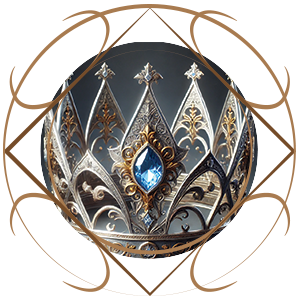
The people of Thalindor live at the political and cultural heart of Argenon. Between the towers of Rengarus, the mineral-rich Dureyna Mountains and the trade routes of the Candrian, they bring the free peoples together beneath one crown-guided by law, diplomacy and the difficult promise that every voice should be heard.

The Heart of Many Voices

Thalindor is more than the seat of the Crown. It is the place where Argenon must come together.

Some lands measure their greatness by the battles they have won. Others count their harvests, their treasures or the age of their walls. Thalindor measures its strength by something far harder to preserve: the unity of a realm made up of many peoples.

Dwarves bring the works of their mountain forges and elves their ancient wisdom. Merchants and envoys meet in the marketplaces and squares of Rengarus.

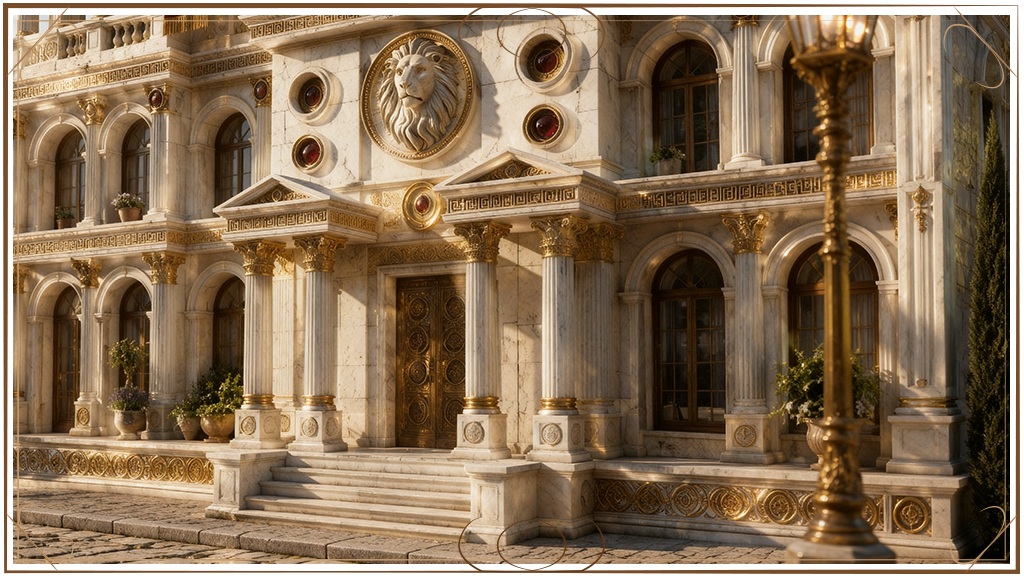
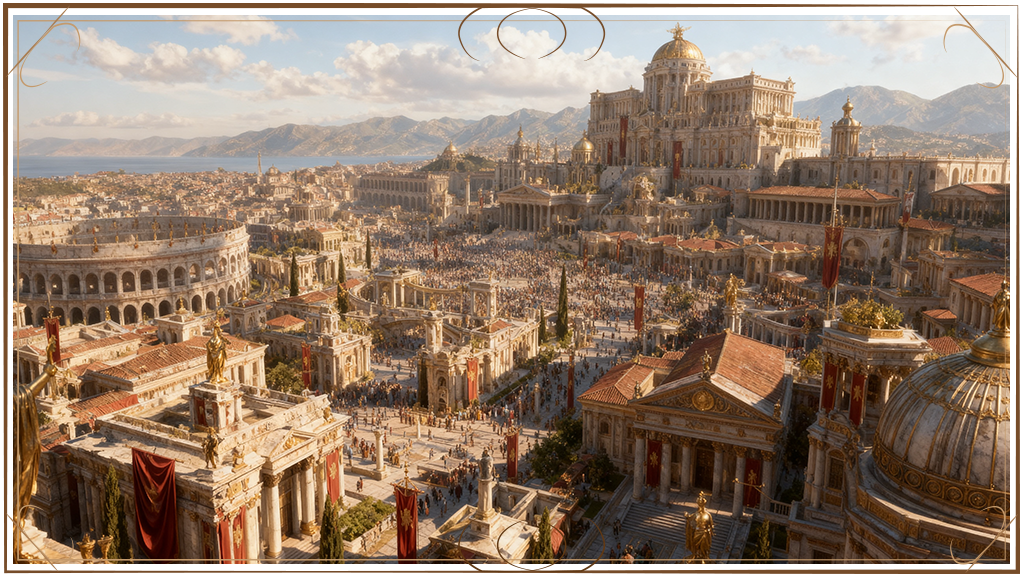
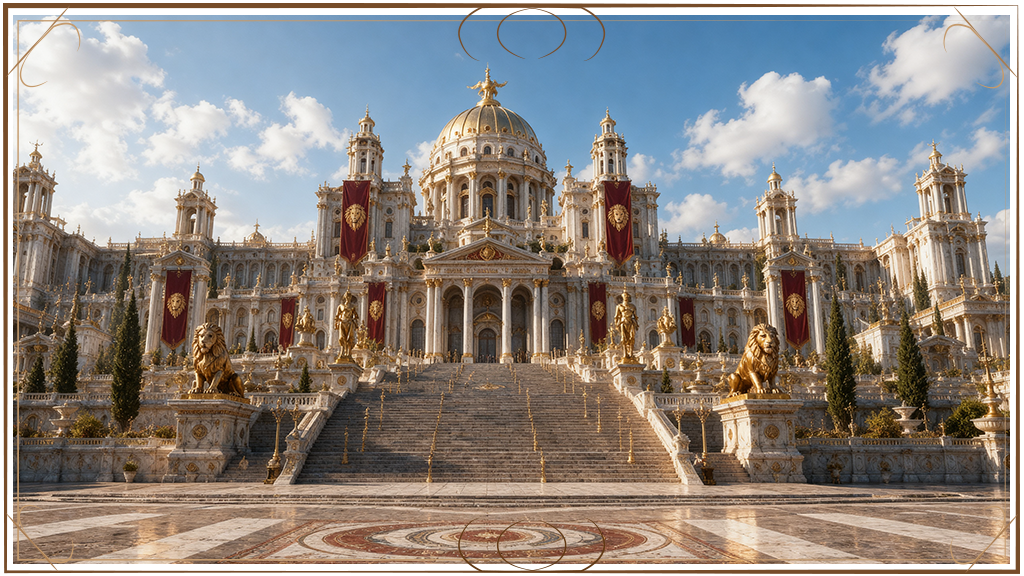
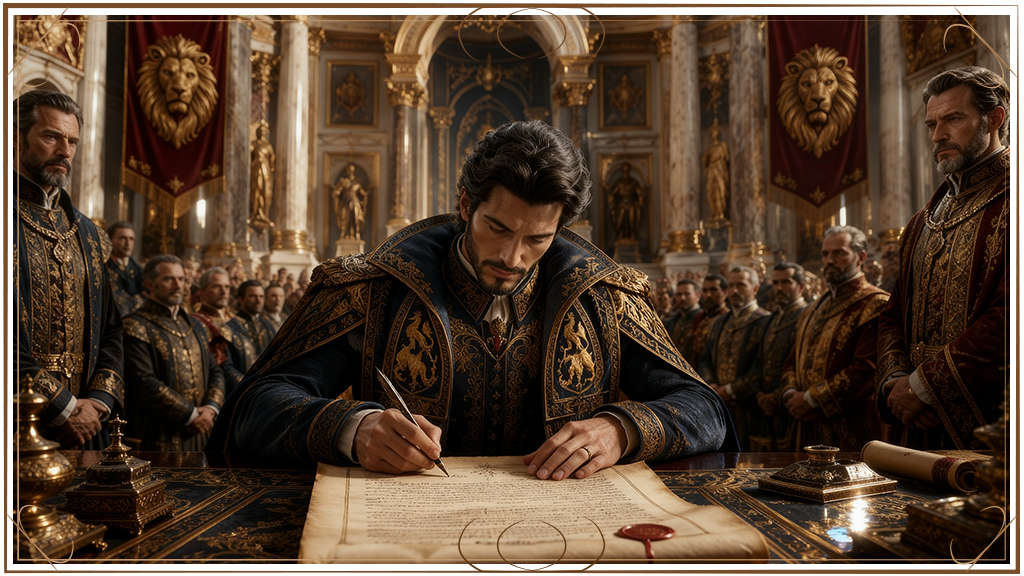
In Rengarus, the capital of Argenon, all these roads converge. The Royal Castle rises above bridges, halls and bustling trading squares. In the Great Hall of the Council, treaties are sealed, laws examined and decisions made whose consequences will reach people the king may never meet.
Thalindor is therefore more than a magnificent land. It bears an obligation: different voices must find a future beneath a common crown.
A kingdom is not the voice of a single ruler. It lives through conversation, dissent and rules that all agree to uphold.


The Land Where All Roads Meet

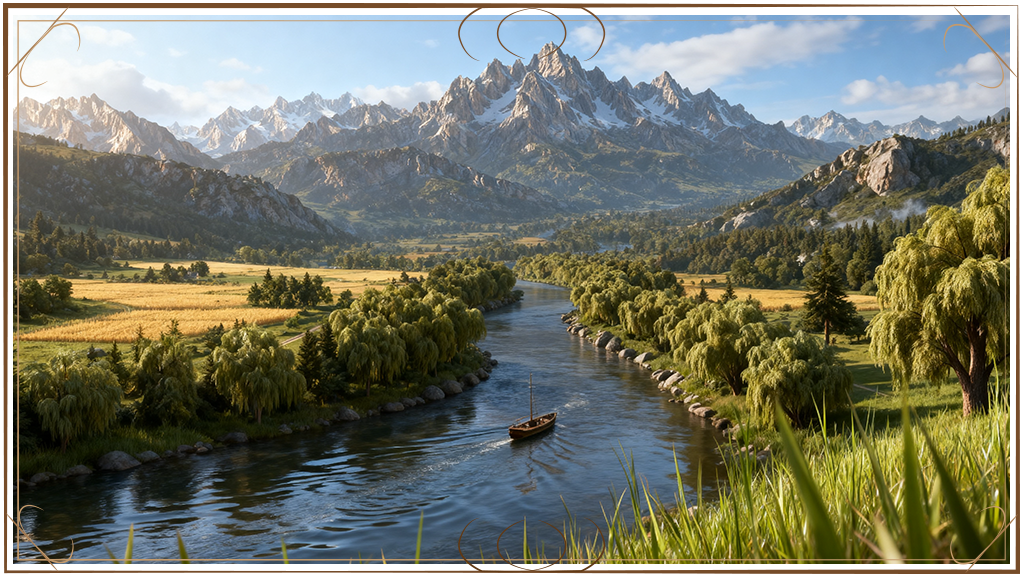
The mountains give Thalindor its wealth. The Candrian connects its people. The sea opens the world to it.

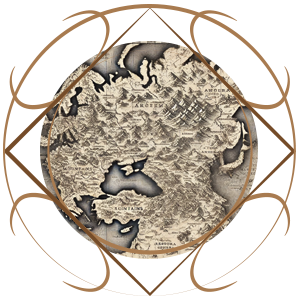
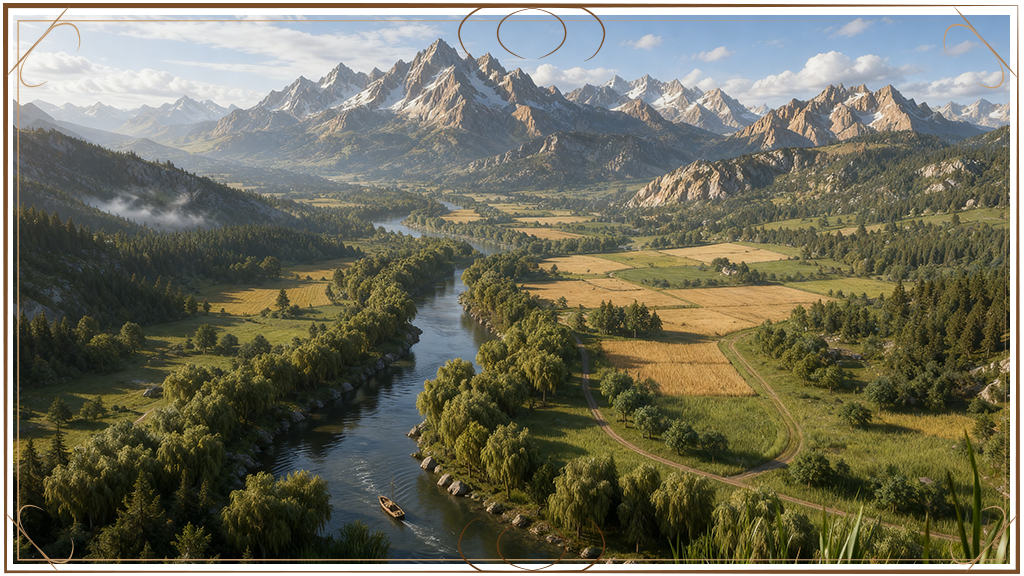
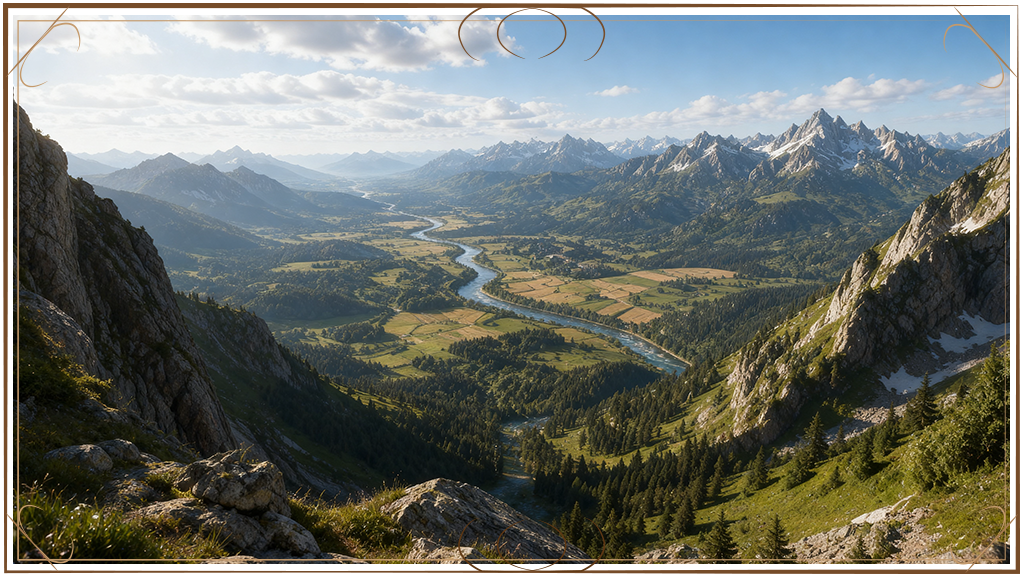
Situated in eastern Argenon, Thalindor encompasses a remarkable variety of landscapes. To the south lie Wenilas and Kleyáth, with their fertile lands. To the north begin the ancient forests of Dythanil. The magical plains of Ghârdyran border the principality to the west, while to the east the Eternal Sea washes against its shores.

The mighty Dureyna Mountains rise in the heart of the land. Ores and precious magical crystals lie in their depths. Hardy trees grow along their slopes and dwarven masters work within their halls. Yet every treasure demands labour and no mountain yields its gifts without danger.

At the foot of the mountains stands Rengarus. The Candrian flows through the capital, carrying goods and travellers and linking the city to the trade routes towards Fernagat, Fandurin and Lenea. Along its quays, cargo is unloaded, bargains struck, arguments raised-and sometimes the future of entire regions decided.

Farther east, the Eternal Sea opens a view beyond Argenon’s borders. Its ships bring foreign goods, news from distant shores and the reminder that even the mightiest kingdom does not encompass the whole world.


Where Roots and Roads Meet

Thalindor’s plants feed the realm, heal its people and remind them where their prosperity comes from.

Between mountains and rivers grow Thalindor’s fields, trees and medicinal plants. They provide food, timber and remedies – and remind the land of its roots.

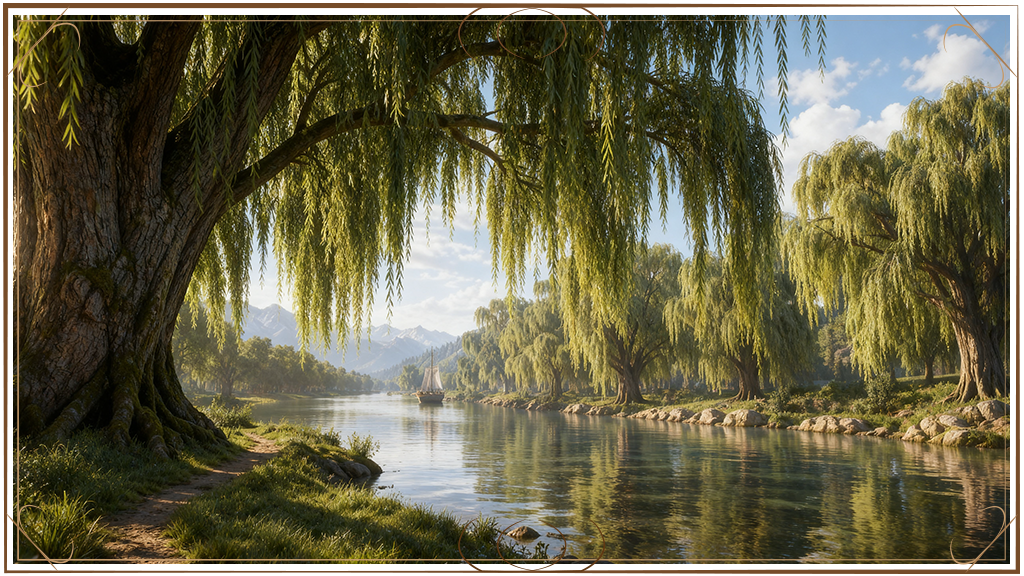
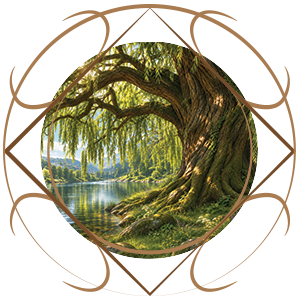
Mighty Royal Willows stand along the Candrian. Their crowns shade landing stages and pathways, while healers gather their leaves. Wherever the river brings people from different regions together, these trees offer everyone the same shelter from the sun.

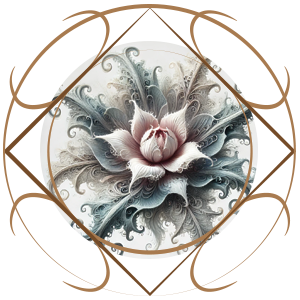
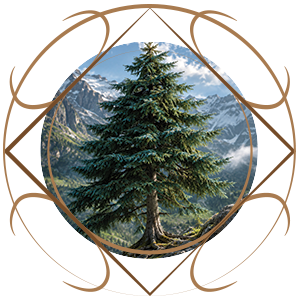
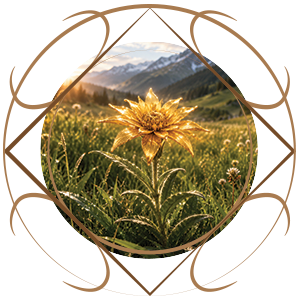
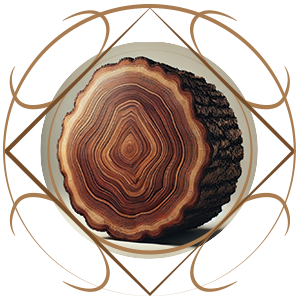
Hardy Dureyna Firs grow on the windswept slopes of the mountains. Across the plains bloom the rare Golden Blossoms, symbols of prosperity and solidarity. Between them stretch wide fields of grain whose harvests sustain lives far beyond Thalindor.

The plants of the land serve the realm in many ways: as nourishment, building timber, healing and reminders of shared roots.


The Voices of Mountains, Rivers and Seas

From the Royal Eagle to the Eternal Whale, every creature carries a different message about the land.

Among the cliffs, along the banks of the Candrian and far out at sea live creatures whose abilities shape Thalindor’s tales and symbols.

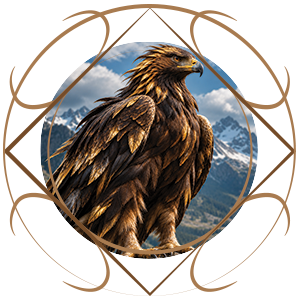
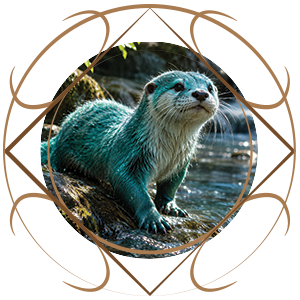
Royal Eagles circle above the Dureyna Mountains. Their keen sight stands for foresight and responsibility. Along the riverbanks, nimble Candrian Otters play among the shifting currents, moving through them as merchants weave through crowded markets.

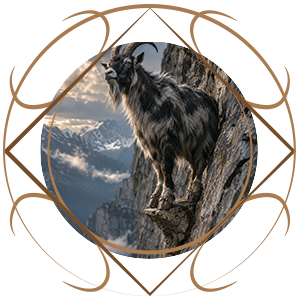
On the rugged heights, Dureyna Mountain Goats find their footing where a person could scarcely stand. Across the Eternal Sea travel the immense Eternal Whales. Their mysterious songs fascinate sailors and scholars, who ponder the nature of these distant voices.

The animals of Thalindor teach that strength takes many forms: the ability to look far ahead, agility amid change, sure footing and reverence for what cannot be understood.


A Realm of Many Voices

Unity does not mean that everyone is the same. It means that different peoples can endure together.

Thalindor is a meeting place of peoples. In Rengarus, humans, elves, dwarves, Togar and travellers from distant regions encounter one another. Their languages, customs and interests shape the markets, workshops, academies and council chambers.

Humans make up most of the population. As merchants, officials, soldiers and scholars, they move between the marketplaces and the halls of government. Elarin is the language of the court and of important treaties. Even children learn to notice seals, forms of address and the intentions hidden behind politely spoken words.

Yet this open society has a fixed order: the castes. Nobles, warriors, merchants and craftsmen, scholars, farmers and the envoys of other peoples all carry out different duties. Each group claims its dignity. Not all possess the same influence.

Thus Thalindor’s society is both a promise of unity and a daily negotiation over whose voice will be heard beneath that promise.


The Crown and the Voices of the Realm

One must lead. Many must be heard. And the law must stand above arbitrary rule.

In Rengarus sits the King of Argenon, a member of the ancient House Earen. He symbolises unity, serves as the realm’s highest representative and commands its armed forces in times of danger. His power is great, but his will alone does not make law.

Parliament brings together representatives of the free peoples and the different groups within society. Here interests are voiced, disputes negotiated and alliances discussed. Some delegates are elected, while others are sent or appointed by their communities.

The Senate oversees legislation: a body of twenty-five scholars, nobles and diplomats. New laws require its approval. In the most extreme circumstances, it can even demand that a ruler be removed from power.

The king governs. But Argenon must never become merely an extension of his own voice.


The Language of the People of Thalindor – Elarin

“The Voice of the King, the Language of the Nation”

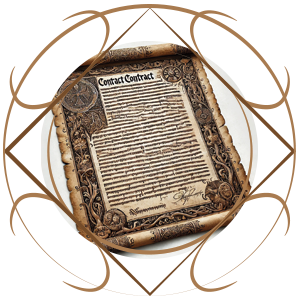
Elarin is the high language of Thalindor and Argenon, a language of sublime elegance, shaped by ceremonial word choices, elaborate sentence structures and majestic intonation. It was created to embody the grandeur of the monarchy, the order of the realm and the dignity of its laws.

As Thalindor is the political center of Argenon and the King of Argenon rules from here, a language developed that not only enables diplomatic communication but also conveys power, wisdom and unity.

Elarin has its roots in Liréth, the language of the Circle. Over the centuries, however, it has been refined, enriched with elaborate expressions and elevated to the highest form of diplomacy. While the people of Thalindor speak the language fluently, its most elevated form, Elaris Majóris, is used exclusively at the royal court, in Parliament and in official documents. This variation is distinguished by carefully chosen words, precise intonation and an almost musical rhythm of speech.


The Names of the People of Thalindor

Introduction

The people of Thalindor bear names that radiate dignity, strength and tradition. Their language, Elarin, is characterized by melodic yet powerful sounds that reflect their rich history and deeply rooted values.

Names in Thalindor are often associated with rulership, justice and courage – qualities that define the very heart of Argenon. Many names carry meanings connected to virtues, historical figures or the legacy of the monarchy.

Below is a collection of 30 male and 30 female names, each accompanied by its meaning.


The Art of Giving Power Its Form

In Thalindor, a crafted object must do more than endure. It must show which realm it serves.

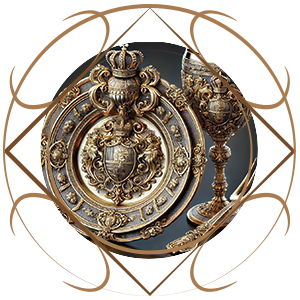
The forges of Rengarus unite the experience of many peoples. Human artisans work with inherited dwarven techniques and influences from elven design. Together, they create weapons, armour, bridges and insignia intended to be both useful and beautiful.

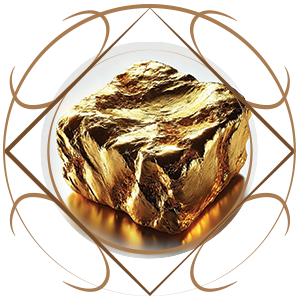
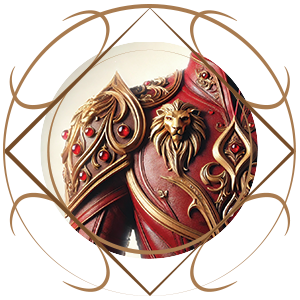
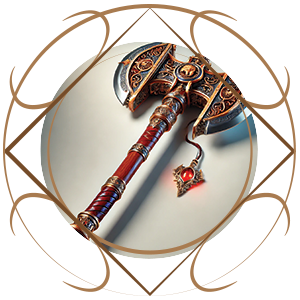
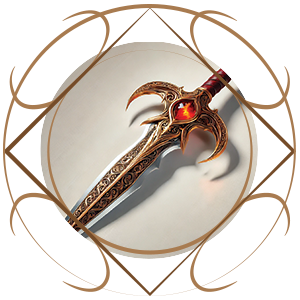
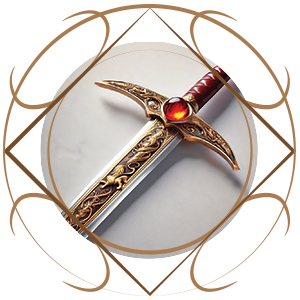
Royal Steel forms the basis of many blades and suits of plate armour. Firesteel is valued for its exceptional hardness. Runesilver carries magical symbols, while Royal Gold lends splendour to the insignia of rulership. Fire Crystals enhance weapons wielded in the service of the Crown.

A sword may be magnificent and still fail. A simple buckle may save a warrior’s life. A master must therefore judge both the beauty and the reliability of a work.

Every engraving, every coat of arms and every inlaid rune also tells a story of heritage, office and responsibility.

For in Thalindor the question is not only: Will it endure?

They also ask: What will it say about the one who carries it?


The Armed Hand of the Crown

Thalindor seeks peace through words. Yet its warriors must be ready to defend that peace with steel.

Thalindor’s armies place their trust in training, planning and the coordination of their units. An order need not be loud, only right; a victory should not merely be won, but also borne with responsibility.

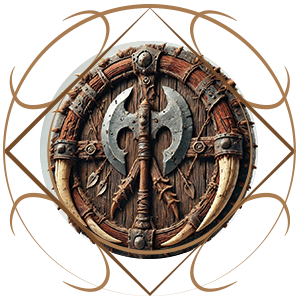
The Silver Wardens form the realm’s celebrated defensive line. Their tower shields, straight swords and long spears of Royal Steel come together in the Silver Wall, a formation whose strength lies in each warrior’s trust in the others beside them.

Yet no war should begin from the desire to display one’s own power. Whoever leads an army bears responsibility for every life sent into danger.

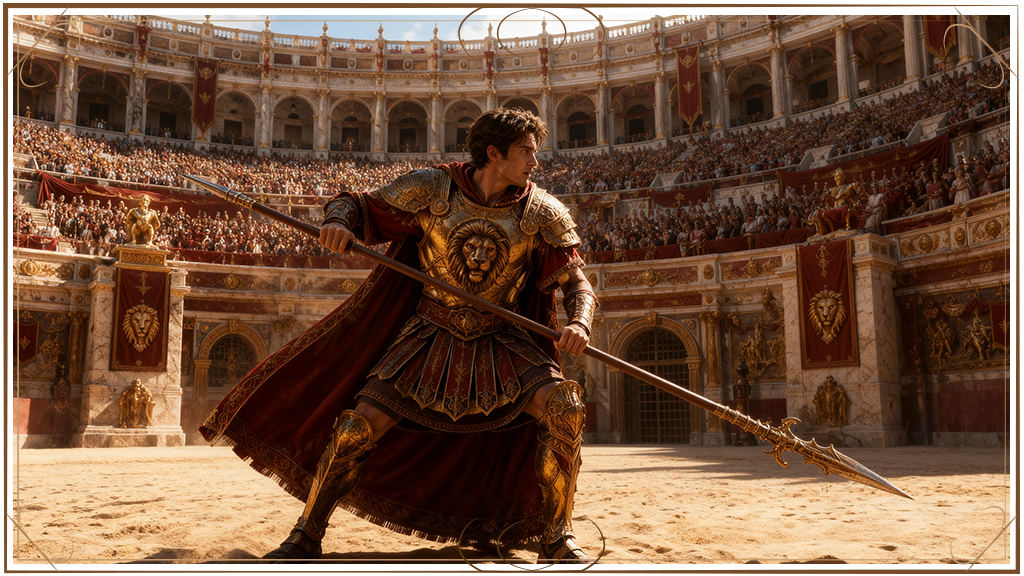
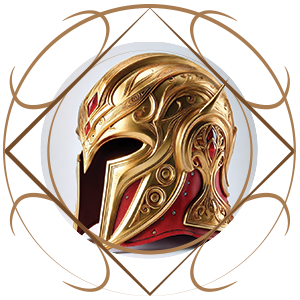
The Flame Guard fights differently: it protects the king himself and launches decisive attacks. Fire Crystals and magically reinforced blades lend its assaults formidable force. Its Lion’s Charge is meant to decide a battle where prolonged hesitation would endanger its own ranks.

In secret work the Shadows of the Crown. They gather intelligence, scout the roads and prevent dangers before anyone in the capital’s streets even knows they exist.


The Bound Power of the Realm

A flame can protect a wall. The very same flame can destroy everything that lies behind it.

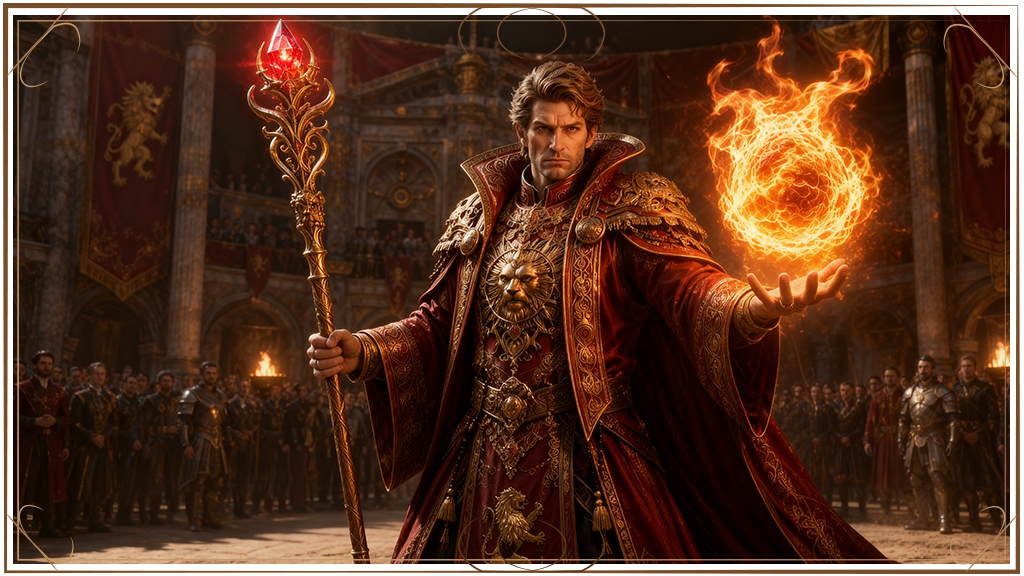
Crystals from the Dureyna Mountains fuel Thalindor’s magical arts. Unlike in Fandurin, magic here serves primarily the defence of the realm, its armies and the royal order.

For this reason, the Crown strictly oversees its use. Great crystals, enchanted weapons and powerful spells are not freely available to every citizen. They are entrusted to royal mages, certain warriors and selected servants of the state.

Three disciplines define Thalindor’s arcane arts: protective magic, fire magic and blessings of war. The first safeguards walls and people. The second unleashes controlled power. The third strengthens the resolve of those who must hold their ground in battle.

Every form of Thalindorian magic therefore carries the same question: Who decides when its power is necessary?

In Thalindor, a mighty spell is not judged by its brilliance. Its worth lies in whether it preserves the realm without placing that very realm in danger.


History in Gold, Stone and Song

Thalindor tells the story of its past in more than books. It raises that story in its squares and lets it resound through its halls.

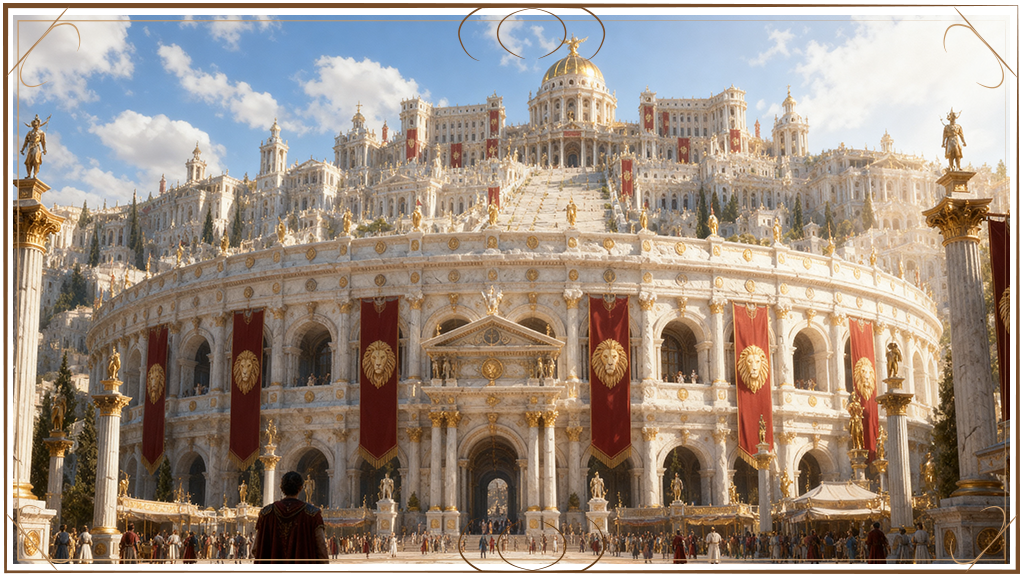
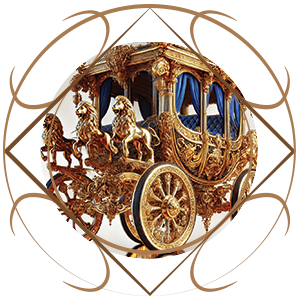
Rengarus is a city of monuments. Statues of ancient kings, reliefs commemorating great alliances and tapestries depicting past campaigns recall the effort to forge many lands into one realm. Its art is solemn, rich and filled with symbols of rulership.

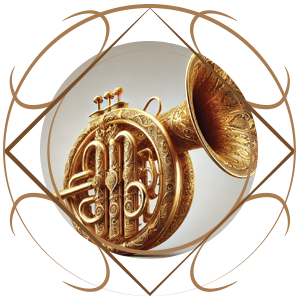
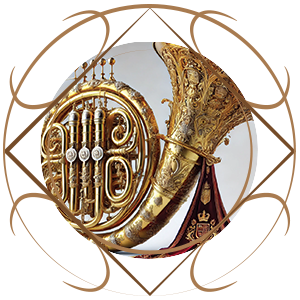
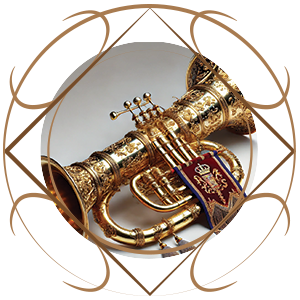
Music serves the same purpose. Clarion fanfares of honour announce state ceremonies, Targalon war drums set the pulse of the troops and the silver-strung Virdan-Harph accompanies grand tales. The Lysanor glass organ produces delicate melodies, while Arelis zither-drums and Thalor-Runar horns fill the halls of the Crown.

Yet Thalindor also knows another kind of music. Bards perform in the markets, taverns ring with satirical songs and street entertainers tell tales of merchants, lovers and ordinary people who rarely appear in the grand chronicles.

A kingdom has many songs.

Its truth is not found only in the hymns of kings.


The Flame Above the Crown

Rexar grants rulers no power without duty. His fire reveals whether they are worthy of it.

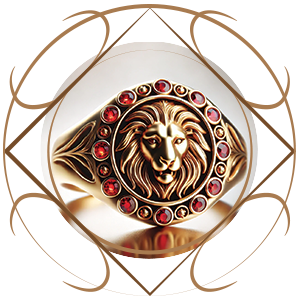
Thalindor worships Rexar, the Flaming Mane: the lion god of strength, protection and rightful rule. His mane of fire recalls the sun and his golden eyes the truth from which no oath can be concealed.

Rexar demands responsibility of kings, judges and warriors. A ruler must serve, a judge must give just verdicts and a warrior must wield strength only for a worthy cause.

Rexar does not demand that the sword remain forever drawn. He demands a hand that knows when to lower it.

Eternal fires burn in the dark stone halls of his temples. There kings are consecrated, oaths sworn and the names of the dead honoured.

The flame does not crown the strongest.

It judges what the strong do with their power.


error: Content is protected !!